High-Pressure Pipe Fittings for Oil & Gas: Standards, Materials, and Best Practices

Where the Stakes Are Highest
The oil and gas industry operates at the intersection of extreme conditions and extreme consequences. Wellheads generating pressures exceeding 15,000 psi. Subsea equipment at water depths where ambient pressure is crushing. Process trains handling hydrocarbons that ignite at room temperature. Sour gas streams where a single stressed component can fracture without warning.
In this environment, pipe fittings are not commodity items. Every socket-weld elbow on a high-pressure Christmas tree, every threaded coupling on an HP flare system, every forged tee on a gas compression train is a critical component whose failure could initiate a fire, explosion, or environmental incident.
Remax Forge & Fittings has supplied high-pressure pipe fittings to oil & gas clients across India, the Middle East, Southeast Asia, and Africa. This article draws on that experience to explain what makes a fitting genuinely suitable for oil & gas service — not just nominally compliant, but engineered for reliability.
The Pressure Rating Challenge in Oil & Gas
Oil and gas pressure systems span an enormous range. Understanding where your application falls is the first step in correct fitting selection.
Surface Production Pressure Classifications
Wellhead and Christmas tree equipment is governed primarily by API 6A, which defines working pressure ratings up to 20,000 psi. These ratings far exceed the ranges covered by ASME B16.11, meaning that fittings for wellhead service require specialized engineering and additional testing.
ASME B16.11 Pressure Classes in Oil & Gas Context
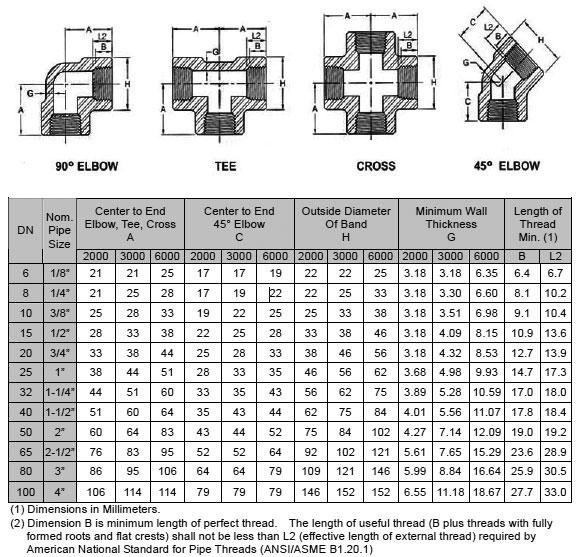
Standard forged pipe fittings per ASME B16.11 are available in Classes 2000#, 3000#, and 6000#. For high-pressure oil and gas service, 3000# and 6000# are the most commonly specified classes. The actual pressure capability depends on the pipe schedule it is mated with and the allowable stresses of the material at the operating temperature.
Sour Service — The H₂S Challenge
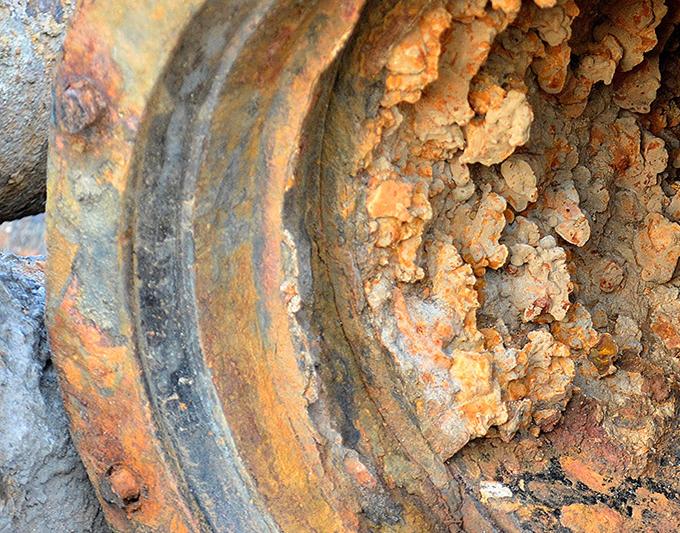
Perhaps no service condition is more demanding than sour service: the presence of hydrogen sulfide (H₂S) in quantities sufficient to cause hydrogen embrittlement or sulfide stress cracking (SSC).
NACE MR0175 / ISO 15156 — The Governing Standard
For carbon and low-alloy steel fittings in sour service, NACE MR0175 imposes strict requirements:
- Maximum Hardness: Generally 22 HRC (approx. 250 HBW) to prevent SSC.
- Heat Treatment: Specific cycles like Quench and Temper are often required.
- Chemistry: Restrictions on Carbon Equivalent (CE), sulfur, and phosphorus.
Specification Requirements for Oil & Gas Fittings
Positive Material Identification (PMI)
For alloy-containing fittings, PMI is typically mandatory. It verifies that each fitting is made from the specified alloy, catching any alloy mix-up before installation.
Material Test Certificates (MTCs)
The heat treatment condition and compliance with NACE MR0175 must be documented on the MTC. Remax Forge & Fittings performs Brinell hardness testing on all sour-service fittings, documenting results for full traceability.
Third-Party Inspection and Certification — What Oil & Gas Buyers Demand
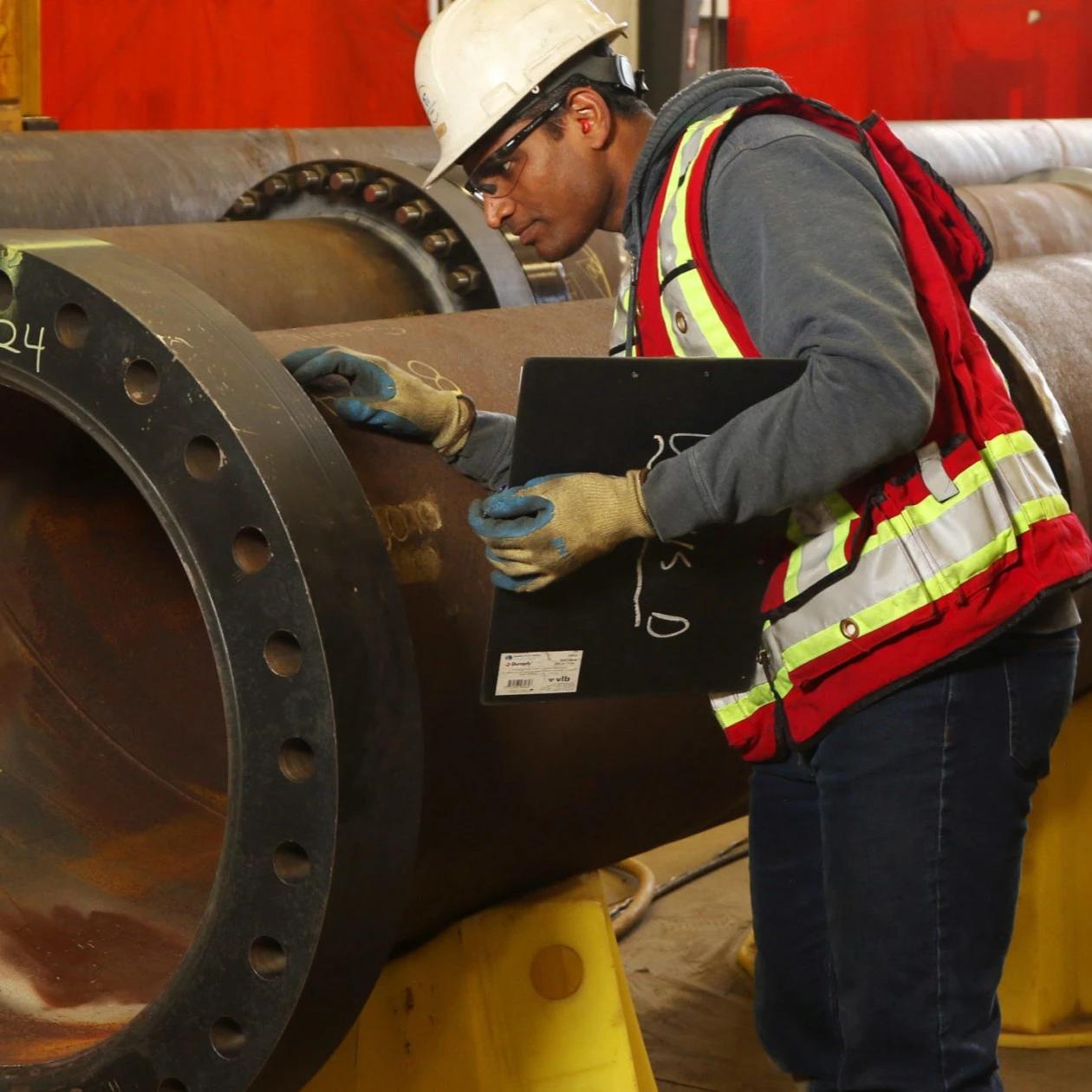
Major oil and gas operators often designate third-party inspection (TPI) agencies like Bureau Veritas, Lloyd's Register, or SGS to witness manufacturing. Standard witness points include:
- Chemical and Mechanical analysis witness
- Dimensional and Surface inspection
- Final documentation and MTC review
Conclusion: Fittings You Can Stake Your Facility's Safety On
High-pressure oil and gas service makes no allowances for substandard components. The fittings that connect your production system must be manufactured, tested, and documented to standards that match the severity of the service.
Remax Forge & Fittings delivers forged pipe fittings and flanges engineered for the most demanding oil and gas applications — from onshore production to offshore installations worldwide.
Contact Remax Forge & FittingsFill this form and get a quote in 30 minutes — guaranteed
Let our experts take over from here!